
Best Emergency Food Bars for Earthquakes — No Cooking Needed

[Tap to Watch Video]
After a major earthquake, many families may have no backup food — or only food that spoils, needs cooking, or runs out fast.
Emergency food bars are a simple way to add backup earthquake food because they need no cooking, no electricity, and no gas.
In this video, I compare our top two choices based on extensive research: SOS Emergency Food Rations and Millennium Energy Bars — including calories, shelf life, taste, price, and storage tips.
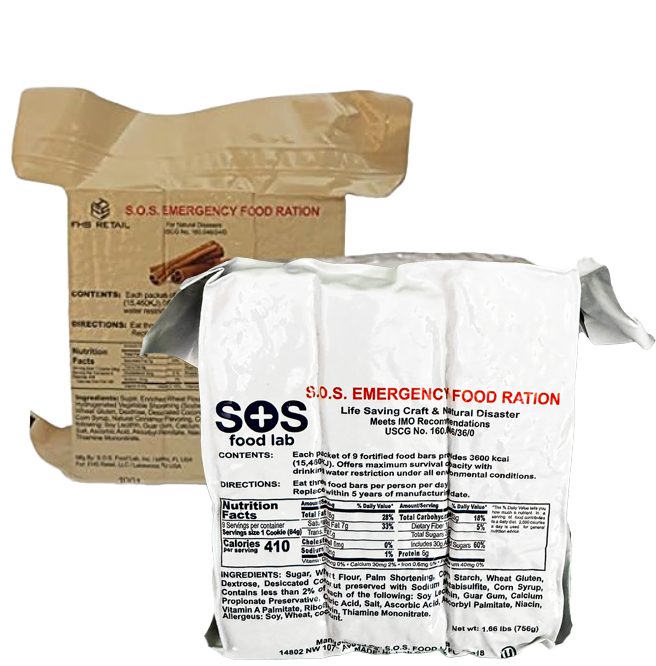
- Top Choice
- Best overall value
- 7200 Calories - 1 person for 3 days
- 1 person for 3 days
- Link to Amazon.com (7200 calories)
- Link to MorePrepared.com (3600 calories)
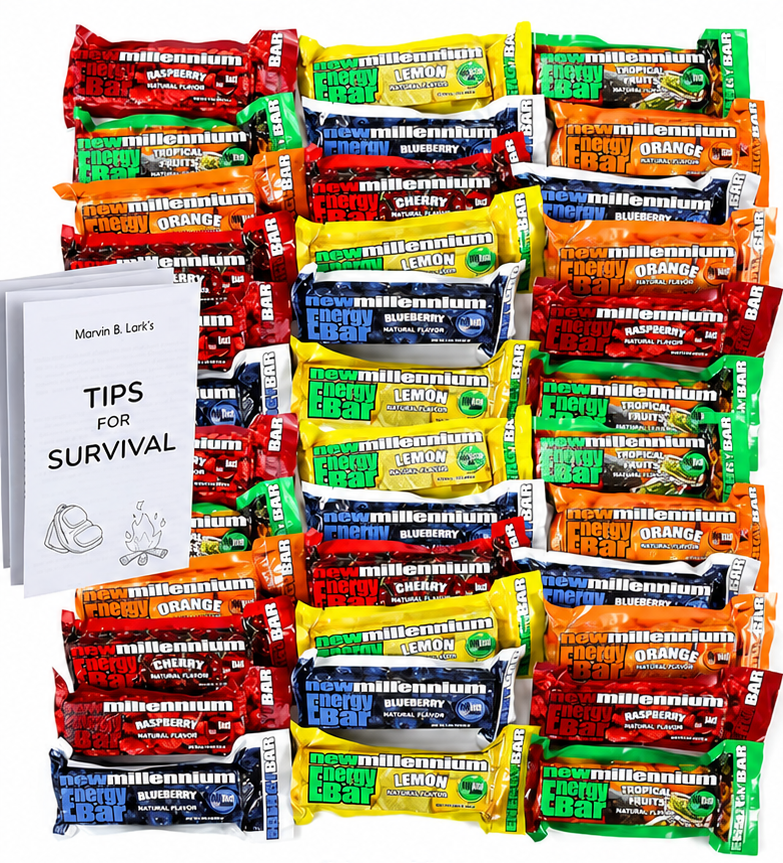
- 2nd Choice
- Best variety and slightly better taste
- Great deal - while it lasts
- 14,400 Calories - 2 people for 3 days
- More Expensive Per Bar
- Link to from Amazon.com
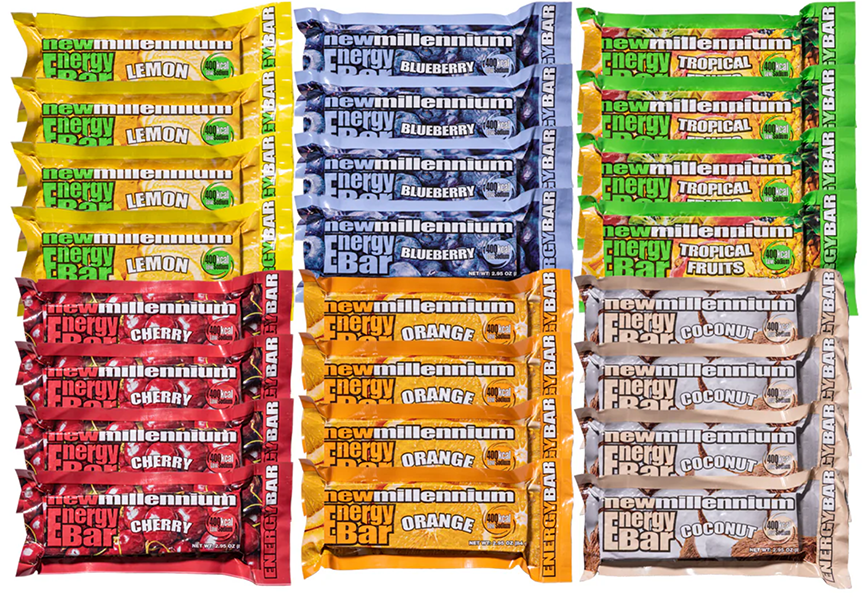
- 3rd Choice
- Acceptable option
- Better Variety and slightly better taste
- 8400 Calories - 1 person for 4 days
- More Expensive Per Bar
- Link to MorePrepared.com
Watch the video above or read the blog below (same info) …
Best Emergency Food Bars for Earthquakes — No Cooking Needed
After a major earthquake, most California families will face a problem they never planned for: no food. Not just inconvenient food — but food that spoils within hours, requires a stove or electricity to prepare, or simply runs out before help arrives. Grocery stores close, delivery services stop, and whatever is in your fridge becomes a race against time.
Emergency food bars are one of the fastest and most practical ways to fix that gap — and most families can be covered in about five minutes of online shopping.
Why Emergency Food Bars Are Different from Regular Pantry Food
It’s tempting to think your pantry already has you covered. But most pantry staples — pasta, rice, canned soups — require water, heat, and functioning cookware. After a serious earthquake, you may have none of those. Gas lines may be shut off. Your stove may be unusable. Boiling water may not be safe or possible.
Emergency food bars are purpose-built for exactly this situation. They require:
- No cooking
- No electricity
- No gas
- No water to prepare
They’re also compact, shelf-stable for years, and inexpensive enough that there’s no reason not to have them on hand. FEMA recommends a minimum three-day supply of food per person for earthquake preparedness — and a single package of emergency bars can get you there for under $20.
Top Recommendation: SOS Emergency Food Rations
The best starting point for most families is SOS Emergency Food Rations. Here’s why they stand out:
- Calories: A two-pack provides 7,200 total calories — generally enough for one adult for three days, meeting the FEMA minimum
- Price: Around $18 per two-pack (as of May 2026)
- Amazon Rating: 4.6 stars with thousands of reviews
- Shelf Life: 5 years from date of manufacture
- Certifications: U.S. Coast Guard approved, Kosher certified, made in the USA
- Allergen info: Produced in a nut-free facility, but contains wheat, wheat gluten, coconut, and soy
What do they taste like? Think compressed graham cracker or shortbread — slightly grainy, mildly flavored with vanilla or coconut. They’re deliberately designed to be non-thirst provoking, which matters a lot when water may also be in short supply.
SOS bars are the most cost-effective option and a solid choice for adults who just need reliable calories in an emergency.
A Better Option for Families with Kids: Millennium Energy Bars
If you have children, or if taste and variety matter to your household, consider upgrading to Millennium Energy Bars — also made by SOS Food Labs.
- Calories: A 36-pack contains 14,400 calories — enough for two adults for three days
- Price: Around $59 (as of May 2026)
- Amazon Rating: 4.5 stars with over 600 reviews
- Flavors: Lemon, raspberry, cherry, tropical fruit, and orange
- Shelf Life: Same 5-year shelf life as SOS bars
- Certifications: Also Kosher certified, made in the USA, produced in a nut-free facility
- Allergen info: Also contains wheat, wheat gluten, coconut, and soybean
Millennium bars are a bit more palatable, more varied, and more kid-friendly — making them a better fit for families who might actually need to rely on them for multiple days. They do cost more and take up a bit more space, but many families find that tradeoff worth it.
How to Store Emergency Food Bars
Proper storage matters more than most people realize. Here are the key guidelines:
Best location: A cool, indoor space like a pantry, closet, or under a bed. The packaging is engineered to handle temperature extremes, but cooler storage preserves taste, texture, and quality over time.
Garage storage: If the garage is your only option, keep the bars in their original packaging and consider placing them inside a small insulated cooler or bag to buffer against temperature swings — especially during California summers.
The most important storage tip: Set a recurring calendar reminder to replace your bars before the 5-year shelf life expires. This is the step most people forget, and it’s the difference between having working supplies and discovering they expired two years ago when you need them most.
Realistic Expectations: What Emergency Bars Are Actually For
Emergency food bars are not meant to be your primary food source for weeks on end. The more you rely on them exclusively, the harder they become to eat — both palatability-wise and digestively. Here’s how to think about using them effectively:
Use bars for breakfast and lunch. They’re practical, calorie-dense, and require no prep. Reserve more substantial or varied food for dinner when possible.
Eat your refrigerator and freezer first. After an earthquake, perishable food will spoil within hours to a day without power. Eat fresh and refrigerated food before it’s lost, and save your shelf-stable bars for later when other options are gone.
Plan for dinners separately. For longer outages, you’ll want freeze-dried meals, canned goods that don’t need heating, or other pantry staples. Note that most freeze-dried options do require boiling water, so pair them with a camp stove or other heat source if you include them in your kit.
A Note on Emergency Earthquake Buckets
If you’ve already purchased an emergency earthquake bucket — a popular product often marketed as a complete food solution — check the actual calorie count carefully before assuming you’re covered. Many buckets on the market provide only about one full day of calories per person, not three. Emergency food bars are a simple, affordable way to fill that gap without starting over.
Conclusion
Emergency food bars are one of the fastest, simplest, and most affordable steps you can take for earthquake preparedness — no cooking, no electricity, and no complicated setup required. Order your SOS Emergency Food Rations or Millennium Energy Bars from the links above and get your family covered today.