
Best Home Earthquake Kits for California Families (2026 Guide)

[Tap to Watch Video]
Building a 72-hour earthquake preparedness kit can be time-consuming, and many California families still don’t have one ready. In this video, we review and rank ready-made earthquake kits based on FEMA and Cal OES emergency kit recommendations, showing what’s included, what’s missing, and which kits offer the best value for home emergency preparedness and disaster readiness.
Disclosure: Affiliate links — we may earn a commission at no extra cost to you.
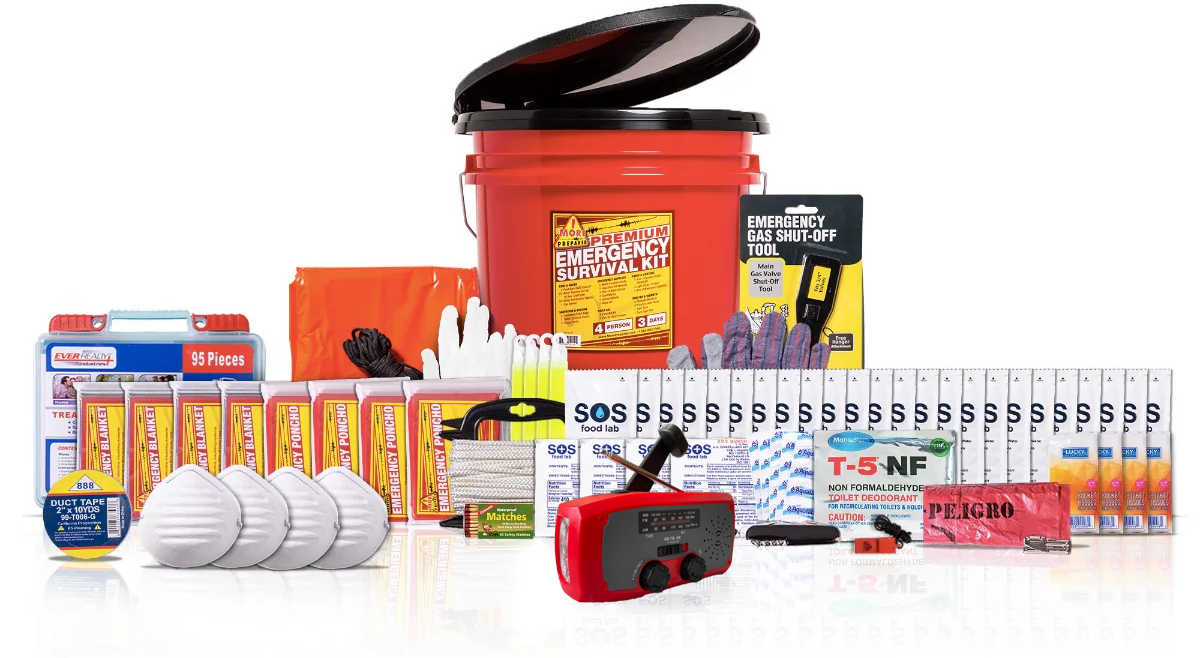
- Top Choice
- Best overall value
- Most supplies
- Select size: 1 - 4 people
- Link to order kit
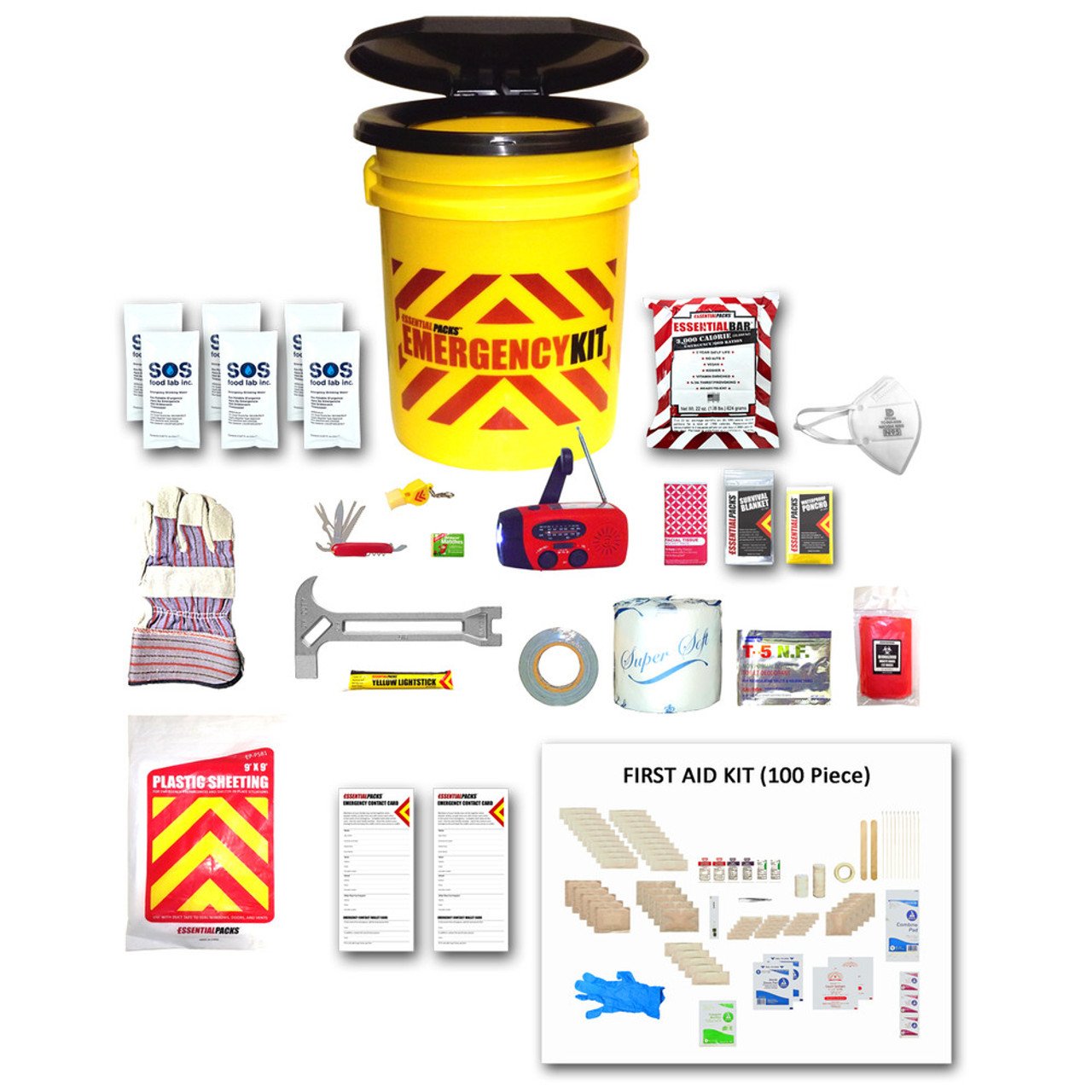
- 2nd Choice
- Comprehensive Kit
- Select size: 1 - 5 people
- Link to order kit
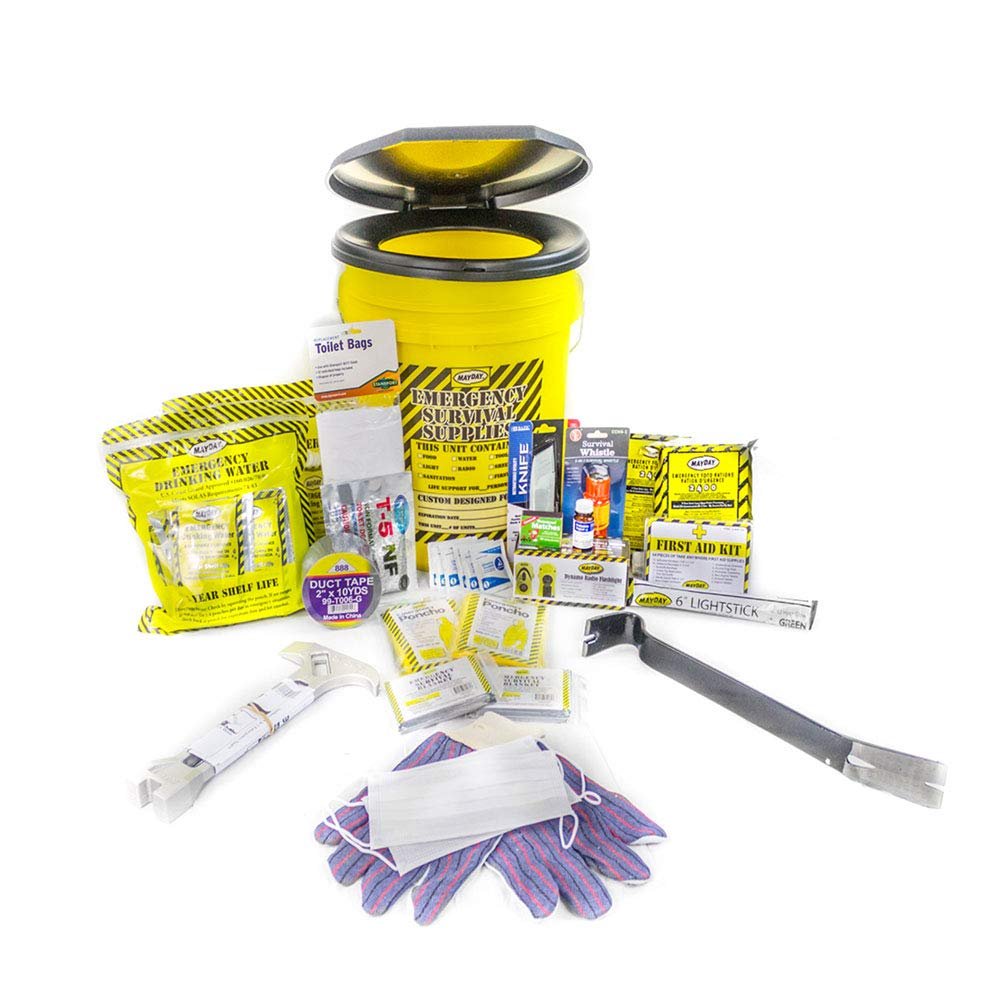
- 3rd Choice
- Acceptable option
- Lacks can opener
- Radio lacks NOAA weather
- Link to Amazon 2-person kit
- Link to Amazon 4-person kit
Watch the video above or read the blog below (same info) …
Earthquake Home Kits: What California Families Actually Need
Earthquakes in California are not a question of if, but when. When a significant quake strikes, utilities may be disrupted, roads may be impassable, and emergency services can take time to reach everyone who needs help. That’s why emergency agencies like FEMA and California Office of Emergency Services consistently advise households to be prepared to be self-sufficient for the first few days after an earthquake.
A basic home earthquake kit is designed to help your household get through the critical first 72 hours, when power, water, and outside assistance may be unavailable. This guide is designed for California households who want a reliable kit that includes the recommended basics.
Why a Home Earthquake Kit Matters
After a major earthquake, you may experience:
- Power outages
- Water shutoffs or contamination
- Gas leaks
- Limited cell service
- Delays in emergency response
- Damage to your dwelling
- Injuries to family members (minor injuries much more likely)
In these conditions, having essential supplies already in your home can significantly reduce stress and help your family stay safe while systems are restored.
Because of California’s seismic risk, FEMA and the California Office of Emergency Services recommend that every household in California keep an emergency kit at home, stocked with core supplies to support each person during this initial period.
What a Basic Earthquake Home Kit Covers
A well-designed ready-made kit focuses on immediate household essentials, not long-term living or extreme scenarios. Typical kits include:
- Emergency food and water
Kits typically include one day of food per person and only half a day of drinking water. That’s too little for a 72-hour kit, so we recommend adding long-lasting food—and especially water—which we’ll cover in later blog posts and videos. - Lighting and communication
A hand-crank emergency radio with weather channels and a built-in flashlight, along with backup lighting such as glow sticks. - First aid supplies
A basic first aid kit for treating minor injuries until medical care is available. - Warmth and shelter items
Emergency blankets and ponchos to help maintain body temperature if heating systems are unavailable or a person is in shock. - Sanitation supplies
A simple portable toilet setup with liners and sanitation materials, useful if water or sewer service is disrupted. - Emergency tools
Commonly including a gas shutoff wrench (for if you suspect a gas leak), duct tape, a can opener, and a basic multi-tool. - Protective equipment
Items such as work gloves, safety whistles, and dust masks to help navigate debris safely.
Most kits are packaged in sealed 5-gallon buckets that are compact, portable, and easy to store in a garage, closet, or utility area.
What Earthquake Kits Don’t Include (and Why)
It’s important to understand what these kits are—and aren’t—designed to do.
Earthquake home kits are meant to cover shared household essentials, not every personal need. Emergency agencies also recommend storing certain personal items separately, including:
- Prescription medications (typically a week’s supply)
- Important documents
- Some emergency cash
- Personal hygiene or comfort items specific to your family
Keeping these items separate allows you to update them more easily as needs change.
Ready-Made Kits vs. DIY Kits
Building a kit from scratch can work—but for many busy households, it never quite happens. Ready-made kits exist to solve that problem. For many households, the challenge isn’t just knowing what to buy—it’s finding the time to actually do it.
They:
- Cover the core essentials in one purchase
- Require no research or assembly
- Are designed to meet established emergency guidelines
- Can be ordered online in minutes
For most families, a ready-made kit provides a practical, reliable starting point that can always be supplemented later.
Our Top Recommendations
After reviewing ready-made kits based on how well they included the essentials recommended by FEMA and California Office of Emergency Services guidance, here’s how the top options compare.
After reviewing ready-made kits based on how well they included the essentials recommended by FEMA and California Office of Emergency Services guidance, here’s how the top options compare.
If you prefer Amazon, Mayday’s kit is an acceptable option but it includes fewer tools and offers less overall value in the version we reviewed than the next two kits. Specifically, it’s missing a can opener and a true multi-tool (it only includes a knife). It also lacks weather channels on the radio and has a smaller first aid kit. On the plus side it has a pry bar and water purification tablets.
EmergencyKits.com does a good job of meeting the recommended essentials and is a solid option.
MorePrepared.com was our top choice. At the same price, it includes additional items — like water purification tablets, a basic tube tent, and 50 feet of rope — and when ordered through the this link on our website, it also includes an upgraded weather radio and snap-on toilet.
MorePrepared.com was our top choice. At the same price, it includes additional items — like water purification tablets, a basic tube tent, and 50 feet of rope — and when ordered through the this link on our website, it also includes an upgraded weather radio and snap-on toilet
Storage and Maintenance
Store your earthquake kit somewhere:
- Easy to access
- Away from extreme heat or freezing
- Known to everyone in the household
- Typically spots include: closet, garage, storage room and even a storage shed if it does not have major temperature fluctuations and does not freeze or get too hot.
Food and water in these kits has a five year shelf life when stored as directed on the label, while your medications usually need replacement sooner. Setting a simple calendar reminder can help ensure your kit and medications stay ready.
Many households choose to add extra water, snacks, or comfort foods over time, but having a reliable baseline kit in place is the most important first step.
The Bottom Line
You don’t need the perfect earthquake kit.
You need a solid one that’s actually in your house.
Having a basic home earthquake kit in place can make a meaningful difference in the hours and days following an earthquake—when preparation matters most.
Support Our Mission
Our mission is to help California residents make their homes safer—in minutes. Subscribe to our channel to see new videos as we release them.
If you’d like to support our work helping California families prepare for earthquakes, you can do so by using the affiliate links on this page—at no additional cost to you.